


Quick Answer: What Is an Anti-Vibration Motorcycle Phone Mount?
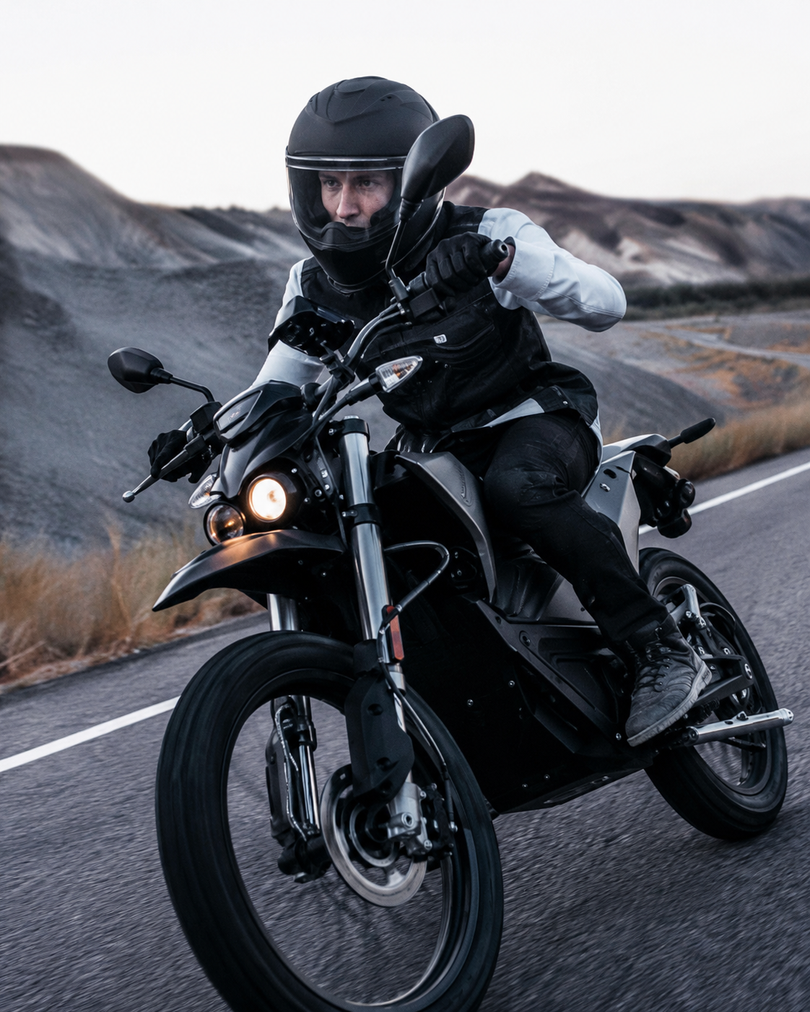
An anti-vibration motorcycle phone mount is designed to reduce the shake transferred from your handlebars to your phone while riding. A good mount helps keep your GPS easier to read, your ride footage more stable, and your phone more secure on bumpy roads, city streets, gravel paths, or long-distance rides.
For riders who use their phone for navigation, music control, ride tracking, or filming, vibration control is not just a small comfort upgrade. It can make the whole riding experience feel more stable and more convenient.
Why Vibration Is a Bigger Problem Than Most Riders Realize
A motorcycle phone holder may look simple from the outside, but the riding environment is much tougher than a desk, car, or indoor setup. Your phone is exposed to constant handlebar vibration, road impact, sudden braking, wind pressure, and sharp turns.
That matters for three reasons.
First, vibration makes your screen harder to read. When your phone keeps shaking, even a simple GPS glance becomes distracting.
Second, unstable mounts can affect video quality. If you like recording scenic roads, motorcycle POV clips, or daily commute content, too much handlebar shake can make the footage look rough and unusable.
Third, long-term high-amplitude vibration may be harmful to some smartphone camera systems. Many modern phones use optical image stabilization and autofocus components. This is why using a vibration-dampening setup is often recommended for riders who mount their phones regularly.
What Makes a Motorcycle Phone Mount More Stable?
Not every motorcycle cell phone mount handles vibration the same way. Some mounts focus only on clamping the phone tightly, while others also try to reduce vibration before it reaches the device.
Here are the key things to look for.
1. Shock-Absorbing Structure
A basic plastic holder may keep your phone in place on smooth roads, but rough pavement and engine vibration can still travel directly through the mount.
A better option uses shock-absorbing materials, such as silicone or rubber contact points, to help filter out part of the vibration. This is especially useful for riders who deal with potholes, uneven roads, or longer rides.
If vibration control is one of your top priorities, a motorcycle phone mount with dual vibration dampeners is a practical category to consider because it is built specifically around anti-shake support rather than just basic phone holding.
2. Secure Phone Grip
A mount should hold the phone firmly from multiple contact points without blocking essential screen visibility. The grip should feel stable enough for daily riding, but it should also avoid scratching the phone or making removal frustrating.
For most riders, the best experience is a holder that balances tight security with easy daily use. You want the phone to stay in place, but you do not want to fight the mount every time you stop for gas, photos, or a quick break.
3. Handlebar Compatibility
Before choosing any handlebar phone mount, always check the handlebar diameter range. This is a small detail, but it can decide whether the product actually fits your motorcycle, bike, scooter, or e-bike.
A universal-style mount is usually more convenient if you ride different vehicles or plan to move the holder between setups. For example, riders who switch between motorcycle and bicycle use may also compare a dedicated bike phone mount depending on their riding style and device needs.
4. Phone Size and Case Thickness
Phone size matters. A good motorcycle phone holder should fit your actual phone with its everyday case, not just the phone without protection.
Before buying, check both screen-size compatibility and maximum phone thickness. This helps avoid common problems like the clip being too tight, the phone sitting unevenly, or the case preventing a secure hold.
5. Easy Adjustment Before the Ride
Angle adjustment is important because every rider’s handlebar position and viewing preference are different. A flexible mount lets you set the screen where it is easy to glance at while keeping your focus on the road.
The safest habit is to adjust your phone angle before riding. Once you are moving, avoid touching or repositioning your phone unless you are stopped safely.
Best Use Cases for an Anti-Shake Motorcycle Phone Holder
For GPS Navigation
This is the most common reason riders use a phone mount. A stable screen makes it easier to follow maps without constantly looking down or trying to pull a phone from your pocket.
A secure mount also keeps your navigation in a consistent position, which is especially helpful during unfamiliar routes, city traffic, or long touring rides.
For Ride Recording
If you record motorcycle POV videos, daily riding clips, or travel content, vibration control becomes even more important. A mount cannot replace professional camera stabilization, but it can help reduce the harsh shaking that comes from direct handlebar vibration.
This makes your footage look cleaner and more watchable, especially on platforms where vertical riding clips and first-person road videos perform well.
For Commuters
Daily commuters need something simple and reliable. The mount should be easy to install, easy to use, and stable enough for repeated rides.
A shock-absorbing phone mount can be especially helpful if your route includes speed bumps, rough roads, or frequent stops.
For Weekend and Touring Riders
Long-distance rides create more exposure to vibration over time. A stable mount helps keep your phone in place for maps, route tracking, and quick access during rest stops.
For touring riders, durability and vibration control should matter more than choosing the cheapest option available.
A Practical Checklist Before Buying a Motorcycle Phone Mount
Before choosing a phone mount for your motorcycle, check these points:
-
Does it reduce vibration, or does it only clamp the phone?
-
Is the grip secure enough for bumpy roads?
-
Does it fit your phone size and case thickness?
-
Does the handlebar clamp fit your vehicle?
-
Can you adjust the viewing angle easily before riding?
-
Is the structure strong enough for regular outdoor use?
-
Does it allow quick phone removal when parked?
If a mount checks these boxes, it is more likely to feel reliable in real riding conditions.
Where Lamicall Fits Into This Type of Setup
Lamicall’s anti-shake motorcycle mount is designed for riders who want a steadier phone setup without making the mount complicated to use. It features a patented anti-shake design, shock-absorption silicone, sturdy construction, and compatibility with 4.7–6.75 inch phones.
The handlebar clip is designed to fit bars from 0.59–1.57 inches, making it suitable for many motorcycles, bicycles, scooters, and similar handlebar setups. It also supports easy one-hand phone placement and removal, which is useful when preparing for a ride or stopping along the way.
Rather than thinking of it as just another phone holder, it is better to see it as a small stability upgrade for riders who rely on their phone every time they ride.
Is an Anti-Vibration Mount Worth It?
For casual short rides on smooth roads, a basic mount may feel good enough at first. But if you ride often, use GPS, record content, or travel on rougher roads, vibration damping becomes much more valuable.
A good anti-vibration motorcycle phone mount helps improve screen readability, phone stability, and day-to-day convenience. It also gives you a more confidence-inspiring setup compared with a loose or overly simple holder.
If your phone is part of your riding routine, choosing a mount with real shock-absorbing support is a smart upgrade.
FAQ
What is the best phone mount for motorcycle vibration?
The best motorcycle phone mount for vibration should combine a secure phone grip, shock-absorbing material, a sturdy handlebar clamp, and flexible angle adjustment. A dual vibration dampener design is especially useful for riders who frequently deal with rough roads or engine vibration.
Can motorcycle vibration damage a phone camera?
Some smartphones use delicate camera stabilization and autofocus systems. Long-term exposure to strong motorcycle vibration may affect camera performance on certain devices, so using a vibration-dampening mount can help reduce direct vibration transfer.
Do I need an anti-vibration phone mount for short rides?
If you only ride occasionally on smooth roads, you may not notice the difference immediately. However, if you use your phone for navigation, filming, or daily commuting, an anti-vibration mount can make the setup feel much more stable.
Will a motorcycle phone mount fit with a phone case?
It depends on the mount. Always check the maximum phone thickness before buying. A good universal motorcycle phone holder should support common phone sizes and many everyday cases.
Is it safe to adjust my phone while riding?
No. You should set your phone angle, route, and screen position before you start riding. If you need to make changes, stop in a safe place first.